
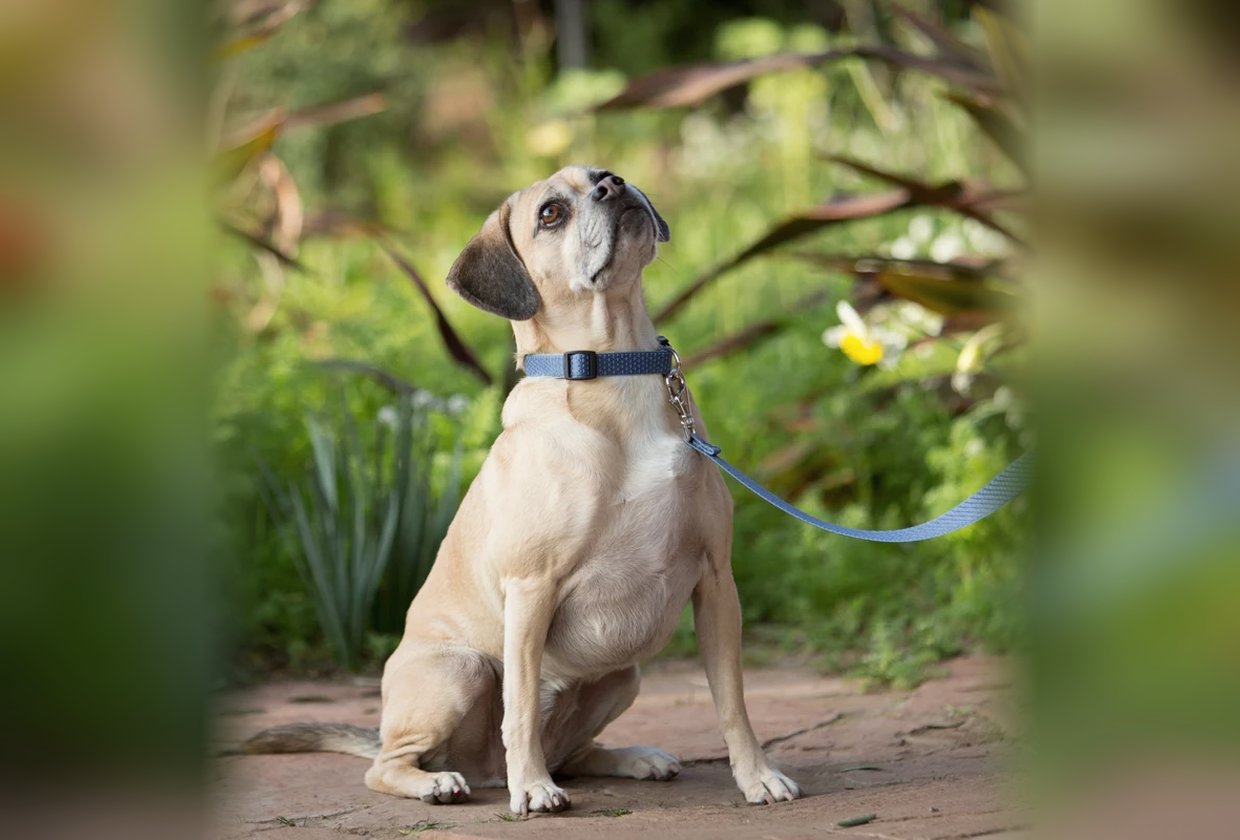
We started because
a collar broke.
Not dramatically. It just gave way at the D-ring on an ordinary Tuesday, in a park full of traffic noise, and everything that has happened since came out of the ten seconds that followed.
How a bad afternoon became a workshop
Isla Ashcombe was walking her mother's spaniel, Wren, along the edge of Richmond Park when the collar let go. The stitching had not failed. The leather had not torn. The D-ring — a folded strip of plated zinc, pressed shut rather than welded — simply opened under a decent pull.
Wren was back within a minute, entirely unbothered, sniffing at somebody's abandoned crisp packet. Isla stood on the path holding half a collar, feeling the particular kind of anger that only arrives after the fear has drained away.
The collar had cost £38. It had lasted eleven months. It was sold as leather, and it was, in the sense that a chipboard shelf is wood.
Isla had spent nine years in furniture restoration, which meant she knew how to read a material. So she took the collar apart on her kitchen table and looked at what she had actually bought.
The leather was bonded — offcuts and shavings ground down, glued back together and embossed with a grain pattern to look like hide. The buckle was zinc alloy under a thin brass wash that had already worn through at the tongue. The stitching was a single-thread lockstitch: cut it anywhere and the whole seam unzips.
None of this was unusual. She bought eleven more collars over the following fortnight, from £12 to £140, and took all of them apart too. Nine were bonded or corrected leather. Ten had plated hardware. Only one — the most expensive, from a saddler in Walsall — was made the way she had assumed all of them were.
“The dog wears it every day for a decade. It is the one object in the house that never gets a day off. Why is it the thing we think about least?”Isla Ashcombe, founder
That was the insight, and it was not a complicated one. A collar is not an accessory. It is a load-bearing piece of equipment worn continuously by an animal who cannot tell you when it is failing.
She spent that autumn at a saddlery evening class in Bermondsey, learning to skive, bevel and burnish from a man named Pat who had been making bridles since 1974 and who told her, more than once, that dog collars were beneath the craft. She kept turning up. By spring he was letting her use the good hides.
The first Silken Paw collar was cut in a spare room in Hackney in March 2018, from a shoulder of vegetable-tanned hide bought with the last of a redundancy payment. It took eleven hours and three attempts. It is still on a dog — a beagle called Otto in Bristol, whose owner sends us a photograph every March on its birthday.
Eight years later the method has not really changed. It has just been done a great many more times, by more people, with better light.
Eight years, one thread
Not a straight line, and not a fast one. Here is roughly how it went.
A collar gives way in Richmond Park
Wren the spaniel is fine. The collar is not. Eleven more are bought and dismantled over the following fortnight.
The first bench, in a spare room
One shoulder of vegetable-tanned hide, a borrowed round knife, and a collar that took eleven hours. Otto in Bristol still wears it.
The Windsor arrives
The rolled collar we had been trying to get right for a year — stitched into a cord so it parts long coats instead of flattening them. It has been our most-made piece ever since.
The nameplate press
A second-hand hand press from a trophy engraver in Leeds, so plates stop going out to a subcontractor. Engraving becomes something we can promise on, not just offer.
Six people, one room in Shoreditch
We move into a railway arch with north light and terrible heating. Pat comes out of retirement one day a week to teach edge work.
The two-year guarantee
We start guaranteeing leather and hardware for two years, largely because almost nothing had come back and it felt dishonest not to say so out loud.
Thirty thousand dogs
Still two things, still made to order, still cut from the back of the hide. The room is bigger and the heating works now.
What I actually want to say to you
I am aware that a page like this is supposed to make you feel something, and I am wary of that. So here is the plain version.
We are not a heritage house. We are eight years old. Nobody in my family made saddles. I learned this at an evening class, badly at first, from a man who thought I was wasting his time.
What I can tell you is that every collar leaving this room has been cut, burnished, stitched and checked by someone whose name I know, and that if it fails inside two years we will fix it or replace it without an argument. That is the whole promise. It is smaller than most brand stories and I would rather it were true than large.
If you are deciding between us and something cheaper, buy the cheaper one and take it apart. That is what convinced me.
Four things we don't argue about
Make two things properly
Collars and leads. We have been asked for beds, bowls, coats and travel crates. Every one of them would be somebody else's craft done adequately.
The hardware is the collar
Leather rarely fails first. Hardware does. So ours is sand-cast solid brass, never plated, and we would rather lose the sale than swap it out to hit a price.
Repair before replace
Send anything back at any age and we will quote a repair before we sell you a new one. Roughly a third of what arrives at the arch is somebody's old collar.
Know the dog's name
Every engraved order passes a bench where somebody reads the name out loud before it is cut. It is a spellcheck, and it is also the point.
Things we've decided not to do
Most of what a small workshop is comes down to what it turns down. These are the four we get asked about most, and the reasons are practical rather than noble.
Seasonal colour drops
Five finishes, permanently. A colour that exists for one autumn is a colour you cannot replace the lead for in three years, which defeats the point of buying the collar.
Sales and discount events
The price is what it costs to make plus what it costs to keep six people employed. A 40% weekend would mean one of those numbers was never honest.
Wholesale to general pet retail
We have tried it twice. Both times the conversation moved to margin within a fortnight, and the only lever left was the hardware.
Retractable leads
A thin cord under load, a plastic housing and a brake that fails warm. We could make a beautiful one. It would still be the thing we would not put on our own dogs.
Eight years of other people's dogs
We make the object. What happens to it afterwards is not really ours — which is the best part of the job.
Otto has had the same collar since 2018. It was the first one they ever made and I did not know that when I bought it. It has been in the Avon more times than I can count and the brass has gone the colour of a penny.Dominic H.Bristol · Otto, beagle, now eleven
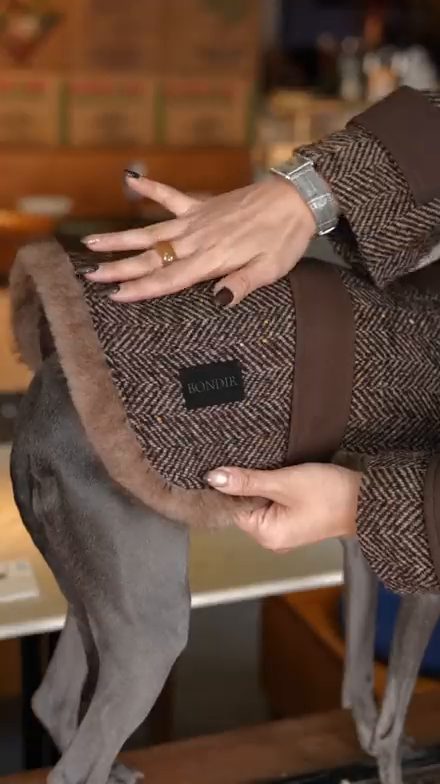
We lost Juno for four hours on the North Downs. The man who found her rang the number on the nameplate before he had even got her into the car. I have thought about that engraving a great deal since.Saoirse M.Surrey · Juno, weimaraner
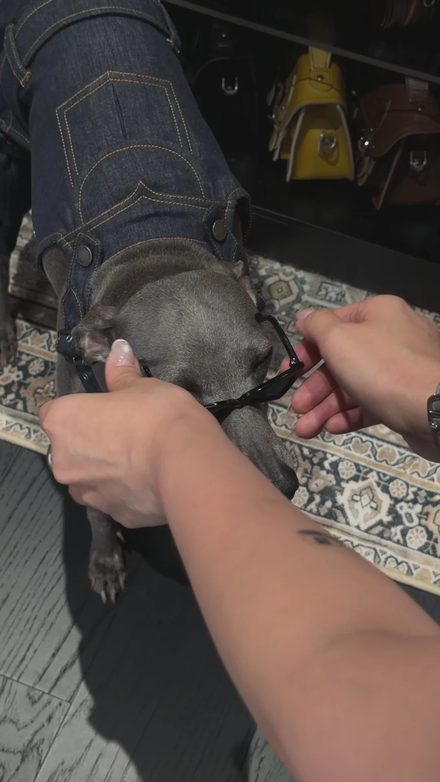
I sent back a collar that a puppy had chewed through, expecting to be sold a new one. They restitched it, replaced the keeper and charged me fourteen pounds. That is the whole reason I am still here.Yusuf A.Manchester · Rafi, staffordshire
Written about in
The arch is open on Saturdays
You are welcome to watch a collar being made, bring a dog to be measured properly, or hand us something of ours that needs putting right. No appointment, and no obligation to buy anything.
London E1 5BW
Early access & 15% off custom your first collar custom
Be first to see new leathers, seasonal colours, and members-only editions. custom